Ever felt like gambling was starting to take more than just your money — maybe your peace of mind or your relationships? You’re definitely not alone. Gambling can be a thrilling pastime, but when it tips over into a problem, knowing where to turn is crucial. In South Africa, there are dedicated gambling support services designed to help you get back on track. Let’s dive into how you can contact these services, what options are available, and what you can expect when reaching out for help.
Understanding Gambling Addiction in South Africa
Before diving into the various support services available, it’s important to first grasp what gambling addiction truly entails. Gambling addiction, often referred to as problem gambling, is not simply about losing money or occasionally making risky bets. It’s a behavioral disorder where the urge to gamble becomes uncontrollable and begins to interfere significantly with a person’s daily life. This compulsion can consume their thoughts, emotions, and actions, leading to harmful consequences in their financial stability, personal relationships, and overall mental health.
What makes gambling addiction particularly challenging is that it often disguises itself as a harmless hobby or a way to unwind. However, over time, the behavior escalates into a cycle that’s difficult to break. The person might experience intense cravings to gamble even when they know it’s damaging them. Feelings of guilt, shame, or denial can also complicate matters, making it harder to seek help or acknowledge the problem. In many cases, gambling addiction can lead to depression, anxiety, and other psychological disorders if left unaddressed.
South Africa’s gambling landscape adds another layer of complexity to this issue. With a rapidly expanding gambling industry that includes numerous casinos, sports betting outlets, and online gambling platforms, the accessibility to gambling activities is incredibly high. This increased exposure means that more people are at risk of developing gambling problems. The ease of access, combined with aggressive marketing and sometimes inadequate regulation, can lure vulnerable individuals into problematic gambling habits.
Recognizing these risks, both the South African government and various non-governmental organizations have made efforts to establish support systems aimed at reducing gambling-related harm. These programs seek to educate the public about the dangers of gambling addiction, provide resources for those struggling, and promote responsible gambling practices. Understanding the nature and scope of gambling addiction is a crucial first step for anyone seeking help or looking to support a loved one affected by this issue.
Types of Gambling Support Services Available
South Africa offers a diverse array of gambling support services, combining professional, governmental, community-based, and digital resources. These services cater to the various needs of people struggling with gambling addiction, providing multiple pathways to recovery and assistance. Below is a detailed and comprehensive list of the types of gambling support services available:
- National Responsible Gambling Programme (NRGP)
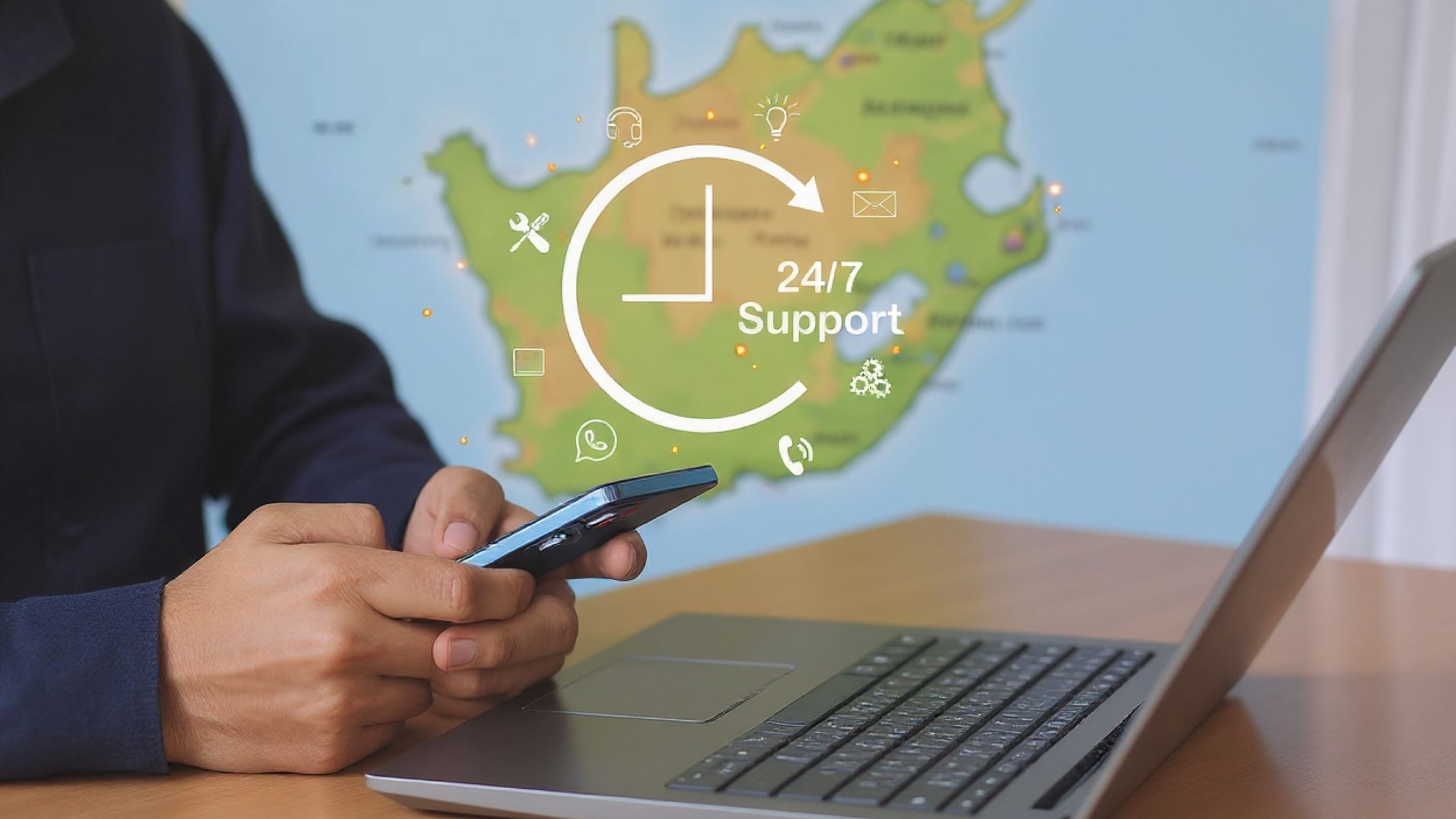
The NRGP is the central government-supported organization dedicated to reducing gambling-related harm across South Africa. It offers:- A 24/7 toll-free helpline staffed by trained counselors who provide immediate emotional support, advice, and guidance.
- Online chat support for individuals who prefer written communication or seek anonymity.
- Access to professional counseling services, both telephonic and face-to-face, focused on helping gamblers develop recovery strategies and manage their behavior.
- Public awareness campaigns and educational materials aimed at promoting responsible gambling practices.
- Tools such as self-assessment tests and self-exclusion programs to empower individuals in controlling their gambling habits.
- Gamblers Anonymous South Africa (GA SA)
GA SA operates on a peer-to-peer support model inspired by the 12-step program, offering:- Free support group meetings conducted regularly across multiple locations nationwide.
- A safe and non-judgmental environment where individuals can openly share their experiences, challenges, and successes.
- Encouragement of mutual accountability and collective healing through group interaction.
- Additional resources for family members affected by gambling addiction, helping them cope and support their loved ones.
- Private Counseling and Rehabilitation Centers
For those seeking professional, individualized treatment, South Africa has numerous private centers specializing in gambling addiction recovery. These centers provide:- Personalized therapy sessions with licensed psychologists or addiction specialists.
- Inpatient and outpatient rehabilitation programs tailored to the severity of the addiction.
- Comprehensive treatment plans combining psychological counseling, behavioral therapy, and sometimes medication.
- Holistic approaches that may include stress management, financial counseling, and life skills coaching.
- Confidentiality and medical oversight, ideal for individuals requiring a clinical environment for recovery.
- Online Support Groups and Digital Resources
The rise of the internet and mobile technology has expanded access to gambling help through:- Online forums and chat groups where users can interact anonymously with others facing similar struggles.
- Virtual meetings modeled after traditional support groups but accessible from any location.
- Mobile applications designed to track gambling behavior, set limits, and provide instant resources or motivational messages.
- Teletherapy services offering licensed counseling via video calls or chat, making professional help more accessible and private.
- Educational websites providing self-help guides, risk assessment tools, and referrals to local resources.
How to Contact Gambling Support Services in South Africa
| Service / Center | Contact Method | Details / Contact Info | Availability / Notes | Website |
| National Responsible Gambling Programme (NRGP) | Helpline | 0800 006 008 (Toll-free) | 24/7 immediate support | responsiblegambling.co.za |
| SMS Support | Send “HELP” to 43435 | Anytime | — | |
| [email protected] | — | — | ||
| Website | responsiblegambling.co.za | — | responsiblegambling.co.za | |
| Gamblers Anonymous South Africa (GA SA) | Helpline | 0861 273 222 | Office hours; community support | ga.org.za |
| [email protected] | — | — | ||
| Website | ga.org.za | — | ga.org.za | |
| Meeting Locator | Available on website for local meetings | Flexible meeting schedules | ga.org.za | |
| Private Counseling and Rehabilitation Centers | The Addiction Recovery Care | +27 11 888 3667 (Johannesburg) | Office hours; personalized therapy | addictionrecoverycare.co.za |
| The Castle Craig Clinic | +27 21 852 0400 (Cape Town) | Office hours; inpatient & outpatient | castlecraig.co.za | |
| Life Healthcare Addiction Treatment | Varies by location (Nationwide) | Regional availability; clinical care | lifehealthcare.co.za |
Online Gambling Support Platforms
For many people struggling with gambling addiction, privacy and convenience are paramount. Online gambling support platforms provide exactly that—a confidential and easily accessible way to seek help without the need for in-person meetings or phone calls. These platforms allow individuals to connect with professional counselors, participate in support groups, or engage with communities where they can share their experiences anonymously. This level of privacy can be a game-changer for those who feel hesitant or embarrassed to discuss their struggles openly.
One of the notable online resources in South Africa is Mindwell. Mindwell offers professional online counseling services as well as virtual support groups tailored specifically to gambling addiction. Their platform is designed to provide users with a safe space to explore their behaviors and emotions while receiving guidance from trained counselors. Because everything happens online, users can access help from the comfort of their own homes, at times that suit their schedules, making it ideal for those with busy lives or limited mobility.
On the international front, platforms like BetterHelp have gained popularity for their licensed therapists who specialize in a wide range of mental health issues, including gambling addiction. BetterHelp connects users with professional counselors through secure video calls, phone sessions, or messaging, offering flexible and personalized therapy options. The availability of experienced therapists across different time zones means that help is often just a few clicks away, and users can maintain complete confidentiality throughout their journey.
Beyond formal counseling services, online forums also play a significant role in providing peer support for problem gamblers. Communities on platforms like Reddit feature dedicated threads where individuals share stories, advice, and coping strategies related to gambling addiction. These forums create a sense of camaraderie and mutual understanding, helping users realize they are not alone in their struggles. The anonymity and accessibility of these forums make them a valuable supplement to professional help, especially for those who prefer informal, peer-driven support.
Step-by-Step Guide: What Happens When You Contact Support
Reaching out for help with gambling addiction can feel overwhelming, but knowing what to expect can make the process much easier. Here’s a detailed step-by-step guide to help you understand what typically happens when you contact gambling support services.
- Making the Call or Contacting Online
When you first reach out, whether by phone, email, or online chat, you’ll usually be connected with a counselor or a trained volunteer. These individuals are there to listen with empathy and without any judgment. Their goal is to create a safe and supportive space where you can openly share your concerns. Right from the start, you’ll notice that the focus is on understanding you as a person, not criticizing your situation or choices. - Initial Assessment
After welcoming you, the counselor will ask several questions to get a clear picture of your gambling habits, financial condition, and emotional well-being. This assessment isn’t a test—it’s a tool to identify your unique challenges and needs. They may ask about the frequency of your gambling, how it affects your daily life, and any related stress or anxiety you might be experiencing. This helps them tailor their advice and support specifically to your circumstances. - Exploring Your Options
Once they understand your situation, the counselor will discuss the different pathways available to you. These could include self-help resources like budgeting tools and educational materials, participation in support groups such as Gamblers Anonymous, or individual counseling sessions. In cases where the addiction is severe, they might refer you to a professional rehabilitation center or suggest a combination of therapies. This step is all about finding the right kind of help that fits your lifestyle and needs. - Ongoing Support
Contacting support is often just the first step in a longer recovery journey. Most services offer follow-up sessions to monitor your progress, adjust treatment plans, and provide encouragement along the way. Many people also find lasting value in joining support groups where members share their experiences and motivate each other. These groups can become a crucial part of your recovery network, offering accountability and friendship that help maintain your commitment to change.
Tips for Making Contact Easier
| Tip | Explanation | Why It Helps | How to Implement | Additional Notes |
| Be honest | Share your true feelings and situation openly | Counselors provide better support when they understand the full picture | Speak openly without fear of judgment | Remember, they are trained to help, not judge |
| Write down your thoughts | Prepare what you want to say before contacting support | Reduces nervousness and helps organize your thoughts | Jot down key points or feelings on paper or phone | Use bullet points or short sentences for clarity |
| Set a quiet time | Choose a time when you won’t be interrupted or distracted | Helps you focus fully on the conversation | Find a private, calm place where you won’t be disturbed | Let others know not to interrupt if possible |
Signs It’s Time to Contact Gambling Support
Knowing when to seek help for gambling can be tricky, especially when the behavior slowly creeps into daily life. One clear warning sign is consistently spending more money on gambling than you can comfortably afford. This isn’t just about occasional losses but an ongoing pattern where gambling expenses disrupt your budget, forcing you to cut back on essentials or borrow money. When gambling starts to drain your finances and create stress about money, it’s a strong indicator that support is needed.
Another important sign to watch for is dishonesty about your gambling habits. If you find yourself lying to family members, friends, or colleagues about how much you gamble or how much money you’ve lost, it usually means there’s a growing problem. Hiding the truth often stems from shame or fear of judgment, but it also creates a barrier between you and the people who want to help. This secrecy can deepen isolation and make it harder to break free from destructive patterns.
Emotional symptoms also provide important clues. Feeling restless, anxious, or irritable when you’re not gambling can point to an unhealthy dependence. These feelings might push you to gamble again just to relieve the discomfort, creating a vicious cycle. If you notice that gambling has become your main way to manage stress or escape difficult emotions, it’s time to take a closer look at your behavior and consider reaching out for support.
Finally, neglecting your responsibilities or relationships is a serious red flag. Gambling addiction can interfere with work performance, social connections, and family life. When gambling takes priority over important commitments, or when loved ones express concern about your behavior, it signals that the problem is impacting your overall wellbeing. At this stage, contacting a gambling support service is crucial to help regain balance and rebuild trust.